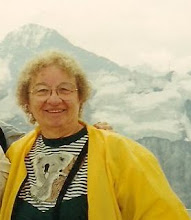
A REALLY HARD JUMP
I took my son on my first trip to Costa Rica. One of the highlights of that trip was rafting down the Sarapiqui River. After navigating several class II and III rapids, we stopped at a shallow pull out point where we all climbed a small cliff. The point of this was to jump off the cliff into the river, then float while the current carried us back to the rafts.
Most any kid would relish this fun exercise, and before you could blink your eye he’d be gone and in the water. I was 65 at the time and am an old WSI who taught swimming and lifesaving for many years. The whole idea went against my whole being, of what I believed, and what I’d taught my children and many others over a lot of years.
I really had a hard time jumping off. I hesitated for some time while my son jumped twice and kept encouraging me to do the same. I had my glasses on under my helmet, and eventually I held my glasses and jumped. The water was rather cool, and once in the water it was easy to float in the gentle current.
My camera captured my son in mid air during one of his half-dozen jumps, but I called it good after my first and last jump. Something about old habits dying hard I guess!
Wednesday, March 3, 2010


Saturday, February 27, 2010
UPSIDE DOWN FLOWERING TREES

Generally I don’t plan to blog about U S sites unless I come across something really unusual like I did on a recent trip to Juneau, Alaska. The Glacier Gardens did not exist when I made my first trip to Alaska twenty years before.
In 1985 a huge landslide in the Mendenhall Valley destroyed much of the Smith dairy farm. Ten years later nurseryman, Steve Bowhay, bought six and a half acres that bordered on the Tongass National Forest. While working to redirect a river stream to its original path, because of its diversion by the landslide years before, he caused some damage to the expensive piece of rental equipment he was using. Frustrated with the rock he was trying to move and at the expensive machine repair bill, he picked up a log with the machine and slammed it six or seven feet into the soft soil ---upside down.
Frustration subsiding a bit and being the creative man he is, Steve started to survey his newly planted 'tree'. By trimming the roots he formed a bowl which he lined with a very fine mesh. Then he filled his pot with peat moss, topping it off with some soil. Before long the plants he planted were flowering and cascading down the edge forming a gorgeous flowering upside down tree. Now many such trees are scattered in the gardens. The area gets plenty of rain so watering is not a problem.

The Glacier Gardens were so much more than I expected and one of the highlights of the trip.
Tuesday, February 23, 2010
MORE FRIENDLY PEOPLE
In Glasgow we were looking for a post office that seemed to elude us.
We asked a fellow on the street where it was, but he was a stranger in town and was just doing some shopping while his wife had her hair done. He was sorry he couldn’t help us. We thanked him and continued on. A couple of minutes later we heard, “Ladies.”
When we turned around we faced the same fellow we had asked directions of. He explained while he was walking in the opposite direction that he remembered where the post office was and proceeded to give us directions. He had turned around and found us to relay that information. How nice was that! As it turned out we were only a block or so away. We entered, made our money exchange and then visited a large department store for a look-see.
Riding the escalator down an hour or so later, the young man standing behind us overheard us discussing finding a restaurant. As we stepped off, he called to us and proceeded to tell us where we could find an arcade of restaurants and recommended a couple he particularly liked. We took his advice and enjoyed a wonderful meal.
When biking in Germany, I was standing outside a bakery waiting for a companion to complete her purchase when an elderly man approached me asking, " Are you American."
After I said yes, he went on to tell me how during WW II he had been in a concentration camp in the United States. I can’t recall the state, but it was a surprise to me, as I was unaware we had a camp there. He apologized for his English. He told me he had been well treated. What a small world.
In Moscow we were looking for a grocery store to buy a gallon of bottled water. We would be in the city long enough to empty it by refilling our small drinking bottles. Unknowingly we turned back when only two blocks away from our destination. Back on the main street we asked directions of a fellow walking with his wife and small child. The wife ducked into a store with the child, but the fellow tried to tell us, but he spoke only Russian. Finally he decided to show us where to turn, so as he hustled down the street he kept up a constant stream of Russian chatter. Jan kept smiling and shaking her head like she knew what he was talking about. I followed smiling. It was a kind gesture on his part and we did find the store and made our purchase. His wife obviously was more skepital of strangers.
In Beijing we were returning to the hotel through a lovely little park. About half way, a young man stopped us and asked if we were American. He was a part time guide and was looking to improve his English speaking skills. We had a delightful conversation with him for 15 min or so.
In Melbourne there is a free tram around the center city during certain hours. We knew we were a few minutes late for the free ride, but we hopped on anyway expecting to pay the fare. The lady driver got to talking to us and asked where we were staying, where we were from etc.
She then said, “You’re just a couple of minutes late for the free tram, but just take a seat and make believe you didn’t know there was a time limit.”
We did and she alerted us when our stop arrived. We thanked her.
If you’re ever in a place where English is scarce look for a young person, preferably a male. The young people know English and the boys have a bit of an edge on the girls. At the Budapest zoo everything was written in Hungarian. A couple times we were a bit puzzled by the foreign map. I looked around for a young man and sure enough both times he spoke English and was able to show us where we were. Both times we were close to where we wanted to be, but the reassurance was nice to have!
We have run into so many friendly and helpful people around the world, and because of that we have had some delightful surprises.
We asked a fellow on the street where it was, but he was a stranger in town and was just doing some shopping while his wife had her hair done. He was sorry he couldn’t help us. We thanked him and continued on. A couple of minutes later we heard, “Ladies.”
When we turned around we faced the same fellow we had asked directions of. He explained while he was walking in the opposite direction that he remembered where the post office was and proceeded to give us directions. He had turned around and found us to relay that information. How nice was that! As it turned out we were only a block or so away. We entered, made our money exchange and then visited a large department store for a look-see.
Riding the escalator down an hour or so later, the young man standing behind us overheard us discussing finding a restaurant. As we stepped off, he called to us and proceeded to tell us where we could find an arcade of restaurants and recommended a couple he particularly liked. We took his advice and enjoyed a wonderful meal.
When biking in Germany, I was standing outside a bakery waiting for a companion to complete her purchase when an elderly man approached me asking, " Are you American."
After I said yes, he went on to tell me how during WW II he had been in a concentration camp in the United States. I can’t recall the state, but it was a surprise to me, as I was unaware we had a camp there. He apologized for his English. He told me he had been well treated. What a small world.
In Moscow we were looking for a grocery store to buy a gallon of bottled water. We would be in the city long enough to empty it by refilling our small drinking bottles. Unknowingly we turned back when only two blocks away from our destination. Back on the main street we asked directions of a fellow walking with his wife and small child. The wife ducked into a store with the child, but the fellow tried to tell us, but he spoke only Russian. Finally he decided to show us where to turn, so as he hustled down the street he kept up a constant stream of Russian chatter. Jan kept smiling and shaking her head like she knew what he was talking about. I followed smiling. It was a kind gesture on his part and we did find the store and made our purchase. His wife obviously was more skepital of strangers.
In Beijing we were returning to the hotel through a lovely little park. About half way, a young man stopped us and asked if we were American. He was a part time guide and was looking to improve his English speaking skills. We had a delightful conversation with him for 15 min or so.
In Melbourne there is a free tram around the center city during certain hours. We knew we were a few minutes late for the free ride, but we hopped on anyway expecting to pay the fare. The lady driver got to talking to us and asked where we were staying, where we were from etc.
She then said, “You’re just a couple of minutes late for the free tram, but just take a seat and make believe you didn’t know there was a time limit.”
We did and she alerted us when our stop arrived. We thanked her.
If you’re ever in a place where English is scarce look for a young person, preferably a male. The young people know English and the boys have a bit of an edge on the girls. At the Budapest zoo everything was written in Hungarian. A couple times we were a bit puzzled by the foreign map. I looked around for a young man and sure enough both times he spoke English and was able to show us where we were. Both times we were close to where we wanted to be, but the reassurance was nice to have!
We have run into so many friendly and helpful people around the world, and because of that we have had some delightful surprises.
Saturday, February 20, 2010
FRIENDLY HELPFUL PEOPLE
I try to blend into my surroundings and not scream tourist when traveling. Occasionally I miss the mark, like the time I was sitting in the stalls at a London theater dressed in a red and white stripped blouse under a red sweater vest. Believe me, I was easy to spot from anywhere in the theater among all the dark colored, drab-dressed Londoners. By the way, the stalls are the main part of the theater, what we would call the orchestra. I normally wear a lot of red, cranberry, and maroon so I have a travel wardrobe of more muted sedate colors for visiting the continent.
I must have a friendly-looking face as I’ve run into the nicest most pleasant people all over the world. In Vienna, Jan and I left our hotel heading for Stephenplatz and hadn’t gone more than a block when a car pulled over to the curb to ask directions. Although we had been in the city only a day and a half, Jan knew what the woman was talking about and actually was able to give her directions. What are the odds of a stranger in town knowing the answer for another stranger in town?
Late in the afternoon of our first day in Quebec City we were walking back down to our hotel when I spotted a couple on the street corner looking a bit lost. We stopped and I asked, “Can we help you find something?” Jan started to laugh saying, “Lee we’ve only been here a few hours. What do you think you can tell them?”
“I know, but we know where a few things are,” I answered.
The couple turned out to be waiting for friends. It was their 4-5 trip to the city for those native Canadians. We chit chatted for a few minutes on the street corner when suddenly the fellow asked, “Where are you eating this evening?"
“We don’t know,” we answered in unison.
He instructed, “If you follow this street to the end you’ll find Portofino Bistro and you’ll have the best Italian food ever.”
We thanked him and continued on our way. We did indeed find the restaurant that was located in a house dating back to 1760. We enjoyed the warm friendly atmosphere and the gracious friendly people. But most of all we enjoyed the superb lasagna. It was certainly a good choice, and one we would have bypassed if we had not spoken to that couple.
In Dublin, we were on our way back to the hotel after a long day of sightseeing when a middle-aged man stopped up on the street saying, “Excuse me. Can you tell me what is behind that fence across the street?”
Again, we knew the answer. “It’s Trinity College”
Then we got to talking. He was a country minister in town while his wife attended some seminar. We talked for 15 minutes or so when he finally asked if we’d like to join him for a drink at some pub. It was a tempting offer as he was an interesting man, but it was the end of a very long day and we were both tired. Anxious to get our shoes off and to relax we declined his invitation.
In city after city when people saw us looking at a map or puzzled at some street corner, they would ask if they could help us find something. We always found their advice and information helpful. I guess we must have looked enough like Americans as we were always spoken to in English.
In Auckland late one afternoon we hopped on a bus to go back to the stop near the hotel where we’d boarded the bus hours earlier. The friendly bus driver got talking to the four of us. Instead of dropping us off at our stop he drove us to the hotel's front door. Maybe we looked tired, but we sure appreciated his kindness and consideration. What a nice thing to do!
I must have a friendly-looking face as I’ve run into the nicest most pleasant people all over the world. In Vienna, Jan and I left our hotel heading for Stephenplatz and hadn’t gone more than a block when a car pulled over to the curb to ask directions. Although we had been in the city only a day and a half, Jan knew what the woman was talking about and actually was able to give her directions. What are the odds of a stranger in town knowing the answer for another stranger in town?
Late in the afternoon of our first day in Quebec City we were walking back down to our hotel when I spotted a couple on the street corner looking a bit lost. We stopped and I asked, “Can we help you find something?” Jan started to laugh saying, “Lee we’ve only been here a few hours. What do you think you can tell them?”
“I know, but we know where a few things are,” I answered.
The couple turned out to be waiting for friends. It was their 4-5 trip to the city for those native Canadians. We chit chatted for a few minutes on the street corner when suddenly the fellow asked, “Where are you eating this evening?"
“We don’t know,” we answered in unison.
He instructed, “If you follow this street to the end you’ll find Portofino Bistro and you’ll have the best Italian food ever.”
We thanked him and continued on our way. We did indeed find the restaurant that was located in a house dating back to 1760. We enjoyed the warm friendly atmosphere and the gracious friendly people. But most of all we enjoyed the superb lasagna. It was certainly a good choice, and one we would have bypassed if we had not spoken to that couple.
In Dublin, we were on our way back to the hotel after a long day of sightseeing when a middle-aged man stopped up on the street saying, “Excuse me. Can you tell me what is behind that fence across the street?”
Again, we knew the answer. “It’s Trinity College”
Then we got to talking. He was a country minister in town while his wife attended some seminar. We talked for 15 minutes or so when he finally asked if we’d like to join him for a drink at some pub. It was a tempting offer as he was an interesting man, but it was the end of a very long day and we were both tired. Anxious to get our shoes off and to relax we declined his invitation.
In city after city when people saw us looking at a map or puzzled at some street corner, they would ask if they could help us find something. We always found their advice and information helpful. I guess we must have looked enough like Americans as we were always spoken to in English.
In Auckland late one afternoon we hopped on a bus to go back to the stop near the hotel where we’d boarded the bus hours earlier. The friendly bus driver got talking to the four of us. Instead of dropping us off at our stop he drove us to the hotel's front door. Maybe we looked tired, but we sure appreciated his kindness and consideration. What a nice thing to do!
Tuesday, February 16, 2010
MY FIRST BIKE TRIP
SHE KEEPS GOING AND GOING

I could hardly contain myself when I spied the trip from Munich to Vienna. What a wonderful trip that would be biking along the Danube River! I wasted no time in booking the trip for the following June. I already had a trip to Kenya booked for the fall, so I’d just have to wait for the bike trip.
I have biked all of my adulthood, but when we built a home in Texas our immediate road was a dirt one. To get to it meant a ride over a narrow winding country road which was a hazard to walk, much less to bike.
So my bike sat under a tree for a couple of years before I could finally give it away. It had been 15 years since I’d ridden my bike, but that didn’t phase me a bit. I returned home from a trip to the Sea of Cortez with Kelly to learn I had an offer on my house waiting for me---I hadn’t officially listed the house, although I had contracted to buy one in the city.
Suddenly I had six weeks to move from a house and yard (acreage actually) that had become too big for me and to take care of all that moving entails. I bought a 3-speed (my first) bike with the intention of riding it each day around my new neighborhood after taking a car load of stuff from the old house to the new. Bet you can guess how that went in the Texas summer heat! I did manage to get a total of 10 miles in on the bike before leaving.
The literature said we would be biking 40-45 miles a day. In my naivety I rationalized I was walking 3 ½ miles an hour so I could surly bike twice that. Seven times six hours made 42. It would be a piece of cake. WRONG! I knew nothing about gel seats, sheep skin covers, or biking shorts never mind male and female ones. I found myself in a group of avid bikers who belonged to bike groups. However, they were very nice and most helpful in educating me in all of the above plus saddle sores. Oh, yeah I had those too!
My children thought I had absolutely lost my mind when they learned what I was about to do. When my daughter left me off at the airport she couldn’t believe that I was actually excited about this new adventure.
This remains one of my favorite trips. It was a photo op around every bend in the bike path. My pictures are proof of how overcast the weather was the whole two weeks. We were in and out of rain gear at least 2-3 times each day, but nothing could dampen my enthusiasm. The biking was pretty easy but 40-45 miles a day on a bike is a lot for one not used to it. I had no idea we would stop for mid morning coffee, a break in the afternoon and in between make multi stops to sightsee and visit various landmarks. I learned so much on this trip. Of course the stops extended the days so it was a full day on the bikes.
A rainy year had put the Danube over its banks in some places so we had to detour to narrow country roads. I learned European bike paths are well kept, well used and that drivers are friendly and considerate of bikers. Of course most everyone rides a bike, so drivers know what it is like to have to cope with traffic.
Our small hotels were a delight. The food was wonderful. I was given the title of pink bunny, as I was always the last one in on each section of the day the entire trip, even though I just kept going and going! It was a wonderful experience and it was a fabulous experience to meet the local people. Would I do it again? You bet! In fact this was the first of three European bike trips I’ve done. Both hiking and biking are wonderful ways to see the countryside, visit a place and to interface with its people.

While in Belize, one of the gals talked about her bike trip through France’s Loire Valley. Her enthusiasm lit a fire in my belly, although I was looking for another destination. The first thing I did when I arrived home, even before unpacking, was to grab my Elderhostel catalog and look up the bike trips.
I could hardly contain myself when I spied the trip from Munich to Vienna. What a wonderful trip that would be biking along the Danube River! I wasted no time in booking the trip for the following June. I already had a trip to Kenya booked for the fall, so I’d just have to wait for the bike trip.
I have biked all of my adulthood, but when we built a home in Texas our immediate road was a dirt one. To get to it meant a ride over a narrow winding country road which was a hazard to walk, much less to bike.
So my bike sat under a tree for a couple of years before I could finally give it away. It had been 15 years since I’d ridden my bike, but that didn’t phase me a bit. I returned home from a trip to the Sea of Cortez with Kelly to learn I had an offer on my house waiting for me---I hadn’t officially listed the house, although I had contracted to buy one in the city.
Suddenly I had six weeks to move from a house and yard (acreage actually) that had become too big for me and to take care of all that moving entails. I bought a 3-speed (my first) bike with the intention of riding it each day around my new neighborhood after taking a car load of stuff from the old house to the new. Bet you can guess how that went in the Texas summer heat! I did manage to get a total of 10 miles in on the bike before leaving.
The literature said we would be biking 40-45 miles a day. In my naivety I rationalized I was walking 3 ½ miles an hour so I could surly bike twice that. Seven times six hours made 42. It would be a piece of cake. WRONG! I knew nothing about gel seats, sheep skin covers, or biking shorts never mind male and female ones. I found myself in a group of avid bikers who belonged to bike groups. However, they were very nice and most helpful in educating me in all of the above plus saddle sores. Oh, yeah I had those too!
My children thought I had absolutely lost my mind when they learned what I was about to do. When my daughter left me off at the airport she couldn’t believe that I was actually excited about this new adventure.
This remains one of my favorite trips. It was a photo op around every bend in the bike path. My pictures are proof of how overcast the weather was the whole two weeks. We were in and out of rain gear at least 2-3 times each day, but nothing could dampen my enthusiasm. The biking was pretty easy but 40-45 miles a day on a bike is a lot for one not used to it. I had no idea we would stop for mid morning coffee, a break in the afternoon and in between make multi stops to sightsee and visit various landmarks. I learned so much on this trip. Of course the stops extended the days so it was a full day on the bikes.
A rainy year had put the Danube over its banks in some places so we had to detour to narrow country roads. I learned European bike paths are well kept, well used and that drivers are friendly and considerate of bikers. Of course most everyone rides a bike, so drivers know what it is like to have to cope with traffic.
Our small hotels were a delight. The food was wonderful. I was given the title of pink bunny, as I was always the last one in on each section of the day the entire trip, even though I just kept going and going! It was a wonderful experience and it was a fabulous experience to meet the local people. Would I do it again? You bet! In fact this was the first of three European bike trips I’ve done. Both hiking and biking are wonderful ways to see the countryside, visit a place and to interface with its people.
Saturday, February 13, 2010
A PRESCRIPTION MASK
While glancing through a service travel catalog my eye caught the information about a dolphin research project in Belize, and I thought to myself that really sounds like fun.
Since the literature said we’d be swimming with dolphins, I needed to think about buying some swim equipment. When talking to my son he told me, “Mom, I think you should give serious thought to buying a prescription face mask."
My daughter chimed in saying, “I absolutely agree. A prescription mask is the only way to go. Really, Mom, you know you can’t see a thing without your glasses. I've heard the snorkeling there is great.”
This was all new to me so I asked them what they thought a such a mask would cost. The consensus was that 35-40 dollars should do it. I did end up with a prescription mask, but it cost closer to $150. However, it was a good investment as it has been all over the world and the snorkeling in Belize was the best ever. I’d have hated to have missed the wonderful underwater seascapes because everything was a blur and I couldn’t see.
The literature said the only prerequisite for this trip was to be comfortable in the water and to be a relatively good swimmer. No problem there! However, I’m pretty claustrophobic, which is why I never used a snorkel all those years in Hawaii. I really don’t like fins much either. I went next door nearly every day to use my neighbor’s pool, as I knew getting used to the mask, snorkel and fins would take some time.
I really had to talk sternly to myself in order to relax and not panic. Years later, I still have to lecture myself to stay calm when using a mask and snorkel. It never will become second nature for me. However, it was a good investment and one I’m glad I made, as it has allowed me to view some gorgeous underwater scenery, beautiful colorful fish and some differnent and unusual plants and coral. It was like swimming in an huge aquarium. Imagine how much fun that would be!
Since the literature said we’d be swimming with dolphins, I needed to think about buying some swim equipment. When talking to my son he told me, “Mom, I think you should give serious thought to buying a prescription face mask."
My daughter chimed in saying, “I absolutely agree. A prescription mask is the only way to go. Really, Mom, you know you can’t see a thing without your glasses. I've heard the snorkeling there is great.”
This was all new to me so I asked them what they thought a such a mask would cost. The consensus was that 35-40 dollars should do it. I did end up with a prescription mask, but it cost closer to $150. However, it was a good investment as it has been all over the world and the snorkeling in Belize was the best ever. I’d have hated to have missed the wonderful underwater seascapes because everything was a blur and I couldn’t see.
The literature said the only prerequisite for this trip was to be comfortable in the water and to be a relatively good swimmer. No problem there! However, I’m pretty claustrophobic, which is why I never used a snorkel all those years in Hawaii. I really don’t like fins much either. I went next door nearly every day to use my neighbor’s pool, as I knew getting used to the mask, snorkel and fins would take some time.
I really had to talk sternly to myself in order to relax and not panic. Years later, I still have to lecture myself to stay calm when using a mask and snorkel. It never will become second nature for me. However, it was a good investment and one I’m glad I made, as it has allowed me to view some gorgeous underwater scenery, beautiful colorful fish and some differnent and unusual plants and coral. It was like swimming in an huge aquarium. Imagine how much fun that would be!
Tuesday, February 9, 2010
LUCERNE'S PRECIOUS LION
On my second trip to Lucerne, Switzerland I was anxious to show Kelly the wonderful touching Lion Monument. While we enjoyed lunch at a sidewalk café along the river I told her, “It’s one of the most famous monuments in the world, and I think I can get us there. We can stroll and shop along the way.”

From a pamphlet we learned that during the French Revolution 40,000 Swiss served under foreign banners. In days of old when a man retired or died his son inherited his father’s commission. It was big business at that time. In 1792 over 700 Swiss mercenaries were killed on the Tuileries Palace steps defending King Louis XVI.
In 1819, a Dane, Bertel Thowaldsen, living in Rome, designed the monument. Lucas Ahorn, a German, carved the monument out of a sandstone hillside in 1820-21 as a tribute to the fallen Swiss countrymen.. At that time the area was out in the country, instead of in the center of the city.
The monument measures six meters high and 10 meters long [39½ X 19 ½ feet]. The dying lion has an arrow in his back, a tear on his cheek, and a paw across the S wiss shield, protecting it even in death. The inscription on the monument translates: To the loyalty and bravery of the Swiss.
It is a wonderful and powerful hunk of stone! I cry every time I see it.
Saturday, February 6, 2010
A MESSY MUD BATH
After an hour and a half hike through a Costa Rican dry forest we arrived at the mud baths and steam vents. During the hike we were surprised to see palm trees, and it was explained to us that during the dry season palm trees grow when the bigger trees in the forest lose their leaves giving the palm and smaller plants more light.
We entered a steam room built over a natural steam vent. The steam escaped through the spaces between the floor boards making it mighty hot inside. However, our guide entertained us by telling us stories. When I thought I couldn’t stand the heat any longer we left the steam room and gathered around huge pots filled with gooey warm mud. Young fellows covered us from head to toe with the warm mud. As we air dried you could feel your skin pulling tight. Standing spread eagled, I’m sure we were a hilarious sight.
Surprisingly, it was quite difficult to wash the mud off under the showers. It had dried so well it wanted to stick! We helped each other especially on the backs.
Once again clean , we climbed into one of three small thermal pools. We discussed and laughed about this unusual experience not only while soaking in the tubs but for days afterward.
We entered a steam room built over a natural steam vent. The steam escaped through the spaces between the floor boards making it mighty hot inside. However, our guide entertained us by telling us stories. When I thought I couldn’t stand the heat any longer we left the steam room and gathered around huge pots filled with gooey warm mud. Young fellows covered us from head to toe with the warm mud. As we air dried you could feel your skin pulling tight. Standing spread eagled, I’m sure we were a hilarious sight.
Surprisingly, it was quite difficult to wash the mud off under the showers. It had dried so well it wanted to stick! We helped each other especially on the backs.
Once again clean , we climbed into one of three small thermal pools. We discussed and laughed about this unusual experience not only while soaking in the tubs but for days afterward.
Wednesday, February 3, 2010
A RARE ZOO SIGHTING
Because Jan is a zoo docent at the L A zoo, we have visited many zoos on our travels, so it wasn’t a surprise to find ourselves on a city bus headed for the Edinburgh zoo. We no more than walked through the gate when the daily penguin parade started. It was amazing to see the penguins out of their enclosure and parading and strutting around a paved course.
Afterward, scanning the zoo flyer and map, Jan spotted a Painted Hunting Dog exhibit and said, “I’ve never seen such an animal, let’s see if we can find it.”
We were heading for the new exhibit, but somehow the map was not quite getting us to our destination. We approached a man with some papers and a torch (flashlight) in his hand, who we thought was a zoo employee. We asked his help in finding our desired exhibit. He was most helpful as he sprinted up and down paths trying to find the dogs.
After asking how long he’d worked at the zoo, he said, “I’m the zoo’s insurance person, and this happens to be the day to inspect the zo o.”
o.”
 o.”
o.”As we followed him around, he seemed as excited about the painted hunting dogs as we were when we finally found them! He didn’t seem to mind that we had interrupted his work day.
We thanked him for his time and kindness as he went back to work.
We thanked him for his time and kindness as he went back to work.
All five dogs were lean and good size. Their multi-colored coats reminded me of camouflage. Endangered they are almost extinct. Their huge ears stood up antenna straight. Obviously, their sense of hearing is excellent. The dogs were not very active but were not sleeping either. It was neat to see them.
Saturday, January 30, 2010
The Unique Kangaroo
I had a chance to get up close and pet a kangaroo at a sanctuary outside Melbourne on my first visit down under. I reached far back to my school days to remember that marsupials are a group of animals whose babies are carried in the mother’s pouch. The fascinating and unique kangaroo is the largest of the marsupials. Their strong muscular tail is used for balance when hopping and as a prop when resting. Hind legs are long and strong while forelegs are short.
A female kangaroo becomes fertile at 18 months, the male at 3 years. The normal gestation period of a baby is ten months; however, if the food supply is not adequate the mother can stall the pregnancy for an indefinite period of time until nature provides an adequate food supply! The baby stays in the pouch 9-11 months. The fetus, not much bigger than a large bean, is born after only a few days, then claws and climbs its way into the pouch where it develops. Mama has two teats in the pouch and it is possible for her to have two babies at different stages of development in the pouch at the same time. In such a case she produces a different kind of milk for each baby! She could also have one in the womb so it is possible for her to raise all three babies at the same time. Now is that unique or what! To the best of my knowledge the kangaroo is the only animal who can do this.
The poor female spends most of her life pregnant and raising children. The baby is called a Joey. Mama can determine the sex of her child, and usually waits to have a male ‘til her later years, as she is the one responsible for raising him and teaching the male to box. She often takes a bit of a bruising during that process. Kangaroos have no herding instinct, each reacting in his or her own way.
The dominant male can live to 12-15 years. He spends his life checking on his females, as they are not synchronous breeders. Their thick strong claws often claw the abdomen when fighting. A dominant male only remains so for 3-4 years before a younger stronger male takes over.
There are 27 species of kangaroos from the smallest 9” kangaroo rat to the red kangaroo, the largest of them all who can cover 47 feet in a good jump/leap. The most common kangaroo is the eastern gray kangaroo, which grows 4-5 feet tall.
I think most people are fascinated with kangaroos because they are not only cute and so different from any other animal, but, except for zoos, they are seen only in Australia.
When on Kangaroo Island, where the animals out number people two to one, we found a baby kangaroo hanging in a cloth sling on a hat tree as we entered the showroom of an eucalyptus oil factory. Its mama had been hit and killed by a truck. The kind people had rescued the Joey. Hanging she was safe and out of the traffic of the store. I think she spent more time in someone’s arms being cooed to than she did hanging in her sling. We all held and petted her. She was just precious and what a thrill. Such remarkable moments make a trip a memorable one.
When on Kangaroo Island, where the animals out number people two to one, we found a baby kangaroo hanging in a cloth sling on a hat tree as we entered the showroom of an eucalyptus oil factory. Its mama had been hit and killed by a truck. The kind people had rescued the Joey. Hanging she was safe and out of the traffic of the store. I think she spent more time in someone’s arms being cooed to than she did hanging in her sling. We all held and petted her. She was just precious and what a thrill. Such remarkable moments make a trip a memorable one.
Tuesday, January 26, 2010
GANDER, NEWFOUNDLAND
 Crossroads of the World
Because of Gander’s aviation history I had always wanted to visit the city. The nicely done museum appears to have a plane running through it. Its tail is over the entrance and the nose of the plane protrudes out the back of the building.
The pretty much fog-free area was isolated until the 1930s when the British Air Ministry chose it for an air base. In 1936 its 6000-foot runway was the longest in the world. However shortly, the base was filled with wartime air traffic. It was a strategic refueling base as well as a major service and air traffic control center.
After WW II Gander became the hub for trans-Atlantic commercial airline routes. Today it is an alternate landing site for the space shuttle.
I was in South America on 9/11, when on that terrible day 39 international planes carrying 6500 people were diverted to Gander. After all hotel and B&B rooms were filled, churches and schools were opened, and finally the friendly people of Gander opened their homes to house and feed stranded airline passengers. All of the 6500 people, who suddenly found themselves in Gander, had a bed to sleep in. No one had to sleep in a chair at the airport! Emergency phone lines were set up and cell phones were lent to people so calls could be made to worried family members. I met some of the musicians who hastily put together shows to entertain the city’s unexpected visitors. As the book title says it was a day the world came to visit Gander.It was nice to hear about the kindness of strangers to strangers and this heartwarming 9/11 story
Monday, January 25, 2010
Kangaroos, Kookaburras and Tea
It amazes me how many people don’t know Australia is a continent unto itself. Can you imagine coming to the United States for a week by spending a day in Boston, one in New York City, another in Chicago, one in San Francisco and a final day in Los Angles and then saying you’ve seen America? Evan worse make that a few hours in each city—if you were cruising and putting into port more than likely that is what it would be.
Yet Americans do this all the time when traveling overseas. Although Australia is shaped a bit differently than the U.S. it is still about the same size. I have many fun stories from down under from two 3 ½ week visits.
One delightful adventure meant a ride from Sydney up into the Blue Mountains where we had afternoon tea in a lovely park setting. Our van driver’s wife had made and sent with him a delicious spice cake. Kangaroos, including several mamas with a Joey in her pouch, played around us all afternoon. We watched with fascination as they hopped around, but we respected their territory and did not try to pet them-----that came on another day on another trip when I visited a sanctuary where the animals were tame and used to people.
Kookaburras in the trees serenaded us as if saying welcome down under as we sipped our tea on the beautiful warm sunny day. As I write this my rusty brain is trying to remember the kookaburra song we sang as kids some sixty-five years ago:
Kookaburra sits on the old gum tree
Merry merry king of the bush is he
Laugh kookaburra, laugh kookaburra
Gay your life must be.
In the second verse I think he eats the gum drops, while we begged him to leave some for me. I haven’t thought about that little song for years--- since my now middle-aged children sang it.
Our van driver told us a many interesting things about Australia’s national animal, but except for its name I’ll save the rest for another day. When European explorers first saw the strange jumping animal, they asked an aborigine, "What arw they called?"
He answered, “Kangaroo,” meaning I do not understand your question.
Repeated, the question received the same answer, and that is how the kangaroo got its name. True or not, I have my doubts, but it makes for a good story and the ending to today’s ramblings.
Yet Americans do this all the time when traveling overseas. Although Australia is shaped a bit differently than the U.S. it is still about the same size. I have many fun stories from down under from two 3 ½ week visits.
One delightful adventure meant a ride from Sydney up into the Blue Mountains where we had afternoon tea in a lovely park setting. Our van driver’s wife had made and sent with him a delicious spice cake. Kangaroos, including several mamas with a Joey in her pouch, played around us all afternoon. We watched with fascination as they hopped around, but we respected their territory and did not try to pet them-----that came on another day on another trip when I visited a sanctuary where the animals were tame and used to people.
Kookaburras in the trees serenaded us as if saying welcome down under as we sipped our tea on the beautiful warm sunny day. As I write this my rusty brain is trying to remember the kookaburra song we sang as kids some sixty-five years ago:
Kookaburra sits on the old gum tree
Merry merry king of the bush is he
Laugh kookaburra, laugh kookaburra
Gay your life must be.
In the second verse I think he eats the gum drops, while we begged him to leave some for me. I haven’t thought about that little song for years--- since my now middle-aged children sang it.
Our van driver told us a many interesting things about Australia’s national animal, but except for its name I’ll save the rest for another day. When European explorers first saw the strange jumping animal, they asked an aborigine, "What arw they called?"
He answered, “Kangaroo,” meaning I do not understand your question.
Repeated, the question received the same answer, and that is how the kangaroo got its name. True or not, I have my doubts, but it makes for a good story and the ending to today’s ramblings.
Subscribe to:
Posts (Atom)